

Birds can turn a quiet home into a place filled with mess, noise, and repairs. Nesting under roof panels or inside gutters raises bills and adds chores for homeowners year after year. The upside is clear: Cost-Effective Bird Control, smart steps that stop damage early, can protect budgets and time.
This guide shares practical moves that work, including bird deterrents, pest prevention, and simple property maintenance. The goal is fewer headaches and more savings. Stay for quick tips that guard both the roof and the wallet.
Common Challenges Caused by Birds
When birds settle in, the calm routine at home fades fast. Without prevention, small problems grow into big maintenance costs.
Property and Structural Damage
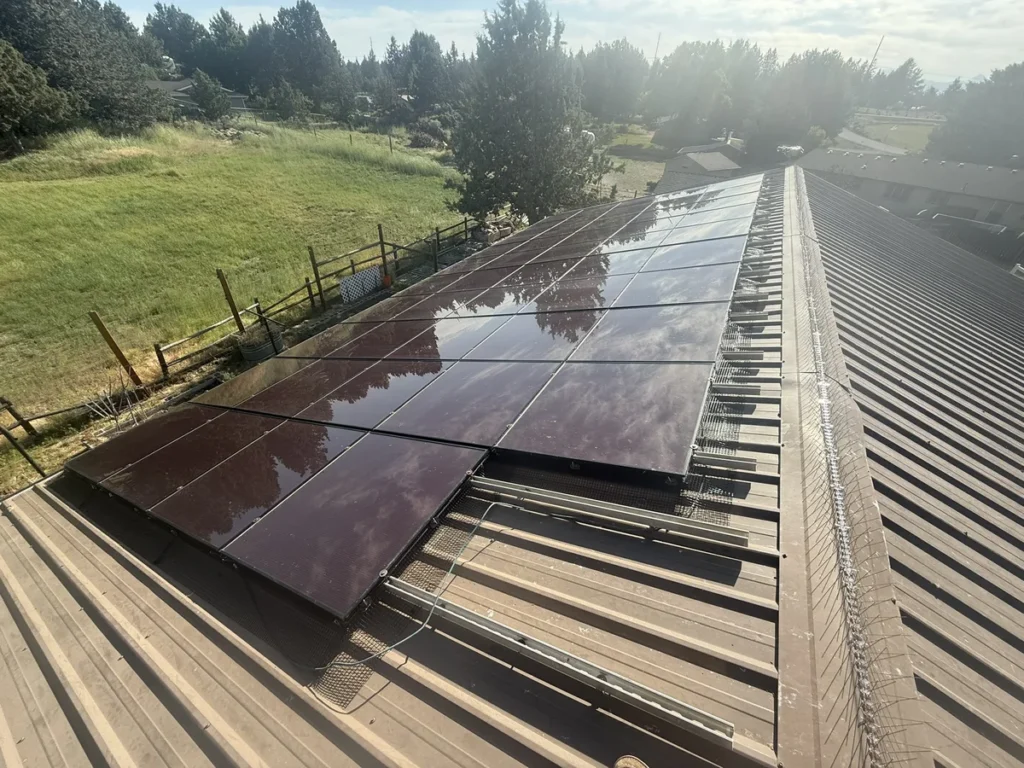
Bird droppings are acidic. They can corrode panel frames and exposed wiring, which lowers energy production and shortens equipment life. In heavy infestations, birds build nests under panels and block gutters, which traps water and can fuel fires during hot, dry periods.
You’d be surprised how fast a few birds can turn your roof into a hazard zone, says Sarah Hamilton of Solar Stan. Stains on shingles, rotting trim, and messy streaks follow. Over time, the structure weakens and looks worse.
Sanitation gets expensive when prevention slips. Protective mesh barriers keep birds out without drilling into the roof, and humane removal plus deep cleaning prevents hidden damage from spreading.
Stopping this kind of property damage trims repair bills and stress. Next, see how these same pests create health and safety hazards inside homes.
Health and Safety Hazards
Bird nesting under solar panels often leads to clogged gutters. Leaves and debris collect in nests, so water overflows into walls or foundations. Droppings eat away at roofing and panel surfaces, which means repairs and reduced performance.
Dry nesting materials near electrical gear increase fire risk. A single spark can light dry twigs and grass. Bird activity can also bring mites and insects that spread fast indoors, raising cleaning needs and maintenance costs.
Many areas require regular roof and equipment checks where wildlife gathers. Ignoring the problem usually makes it worse later. For safety near wiring or high surfaces, homeowners should hire licensed professionals. Check local wildlife rules before removing nests, especially if eggs or young birds are present.
Increased Maintenance and Clean-Up Costs
Nests under panels clog gutters and downspouts, so water backs up and the chance of fire increases. Mud, feathers, and debris add up fast, which raises the cost of cleaning and roof care.
Droppings can damage wiring and seals, which leads to repair bills. Professional cleanings restore efficiency, but each visit has a price. Waiting too long turns simple cleanups into major fixes after heavy rain or wind.
Prevention reduces these costs. Every month without it risks higher electricity bills when grime blocks sunlight. Early action turns a growing chore into routine upkeep and keeps expenses steady.
Cost-Effective Bird Control Methods
Homeowners can cut maintenance costs and boost property protection with proven tools. The right bird deterrents deliver real cost savings without harming wildlife.
Physical Barriers: Bird Spikes and Netting
Bird spikes make perching uncomfortable, so common city birds look elsewhere. Bird netting blocks access to high-value areas, including attic gaps, vents, and the open space around rooftop equipment.
Quality barriers stop nesting in gutters and reduce cleanup time. These solutions limit access to roosting spots without harming birds or the environment.
- Use spikes on narrow ledges, signs, chimneys, and ridge caps.
- Use netting to seal off larger spaces such as soffits, balconies, and under-panel gaps.
- Choose stainless or UV-resistant materials, and follow manufacturer spacing guides.
Barrier systems fit neatly around problem zones while protecting airflow and light. The result is strong property safeguarding and fewer long-term repairs.
Sensory Deterrents: Sound and Visual Systems
Static barriers work well, but some birds adapt. Sensory tools target instincts to keep them moving.
Sonic devices play predator calls or distress sounds to signal danger. Good systems change patterns over time, so birds do not get used to a single tone. Visual options like reflective strips and spinning discs flash light that confuses approaching flocks.
Balloon decoys with large eye patterns can unsettle even stubborn city birds. Combining sound and visual cues creates an unstable zone that feels unsafe to roost in. These nonlethal methods protect property and keep neighbors comfortable.
Automated Laser Bird Deterrents
Automated lasers project moving beams that birds find unsettling. When the light sweeps across a surface, most birds leave instead of nesting or perching there.
Lasers are quiet and effective at dawn and dusk, which is when many birds are most active. Unlike loud systems, laser units do not disturb families or neighbors. They can protect rooftops, patios, and panel arrays without chemicals.
These devices reduce cleanup and repair needs, and they support environmental goals by targeting only the birds that cause trouble. For any system mounted near electrical gear, follow safety guidance and consider a pro for installation.
Biological Solutions
Birds of prey, also called raptors, are natural wildlife control partners. Homeowners can invite them with nest boxes or safe perches. Their presence discourages smaller birds from settling where they cause damage.
This approach lowers chemical use and reduces the need for harsh repellents. Habitat changes help too. Trimming dense branches removes hiding spots that attract nesting near roofs and equipment.
Some areas use falconry as a nonlethal deterrent during peak seasons. Blending biological tools with barriers and sensory devices strengthens the overall strategy and supports sustainable practices.
How to Design an Effective Bird Control Plan
Every property is different, so the best plan blends preventive measures with targeted solutions. The goal is damage prevention with cost savings over time.
Assess the Problem Area
Birds like the shelter under rooftop panels and along eaves. Gutters fill with feathers and sticks. Exposed wires can fray, which creates a fire risk that no homeowner wants.
Heavy droppings in hidden gaps often require deep cleaning. Some families call wildlife removal teams after hearing scratching above ceilings. Mesh screening around equipment blocks entry without drilling into panels or shingles.
Routine cleaning raises energy efficiency and extends system life. Skipping regular panel cleaning leads to higher repair costs as damaged wires and seals get worse. Safety first: power down equipment, use proper fall protection, and call a licensed electrician for any wiring concerns.
Homeowners who manage habitat early avoid surprise repairs later. A tidy, sealed roof stays safer and is cheaper to maintain.
Combine Multiple Deterrent Methods
Layering methods works best. Physical barriers such as netting and bird spikes stop perching and nesting. Visual repellents like reflective tape add movement and flashes that unsettle birds. Sound devices or automated lasers add one more reason to leave.
Pair these with simple habitat changes. Remove food sources, secure trash, and seal gaps where birds start nests. Each tool targets a different sense or behavior, which reduces the chance birds settle in.
These combinations help protect property without harm to wildlife. They also lower maintenance costs by reducing the need for frequent cleanups and repairs.
Keeping birds out does more than prevent messy nests. Smart, cost-effective steps shield property, control maintenance costs, and support long-term savings. Simple bird deterrents, like spikes and bird netting, stop issues at the start, and sensory tools add another layer of pest prevention.
These choices fit a wider plan for property protection and environmental care. Solar Stan helps homeowners push out unwanted wildlife while protecting their investment; the result is cleaner roofs, better efficiency, and calmer budgets. With Cost-Effective Bird Control: Saving Money By Preventing Damage, homeowners can keep roofs clear, equipment performing well, and monthly costs under control.
FAQs
1. How does cost-effective bird control save money for property owners?
Bird deterrents stop pigeons and sparrows from nesting on roofs or ledges. This prevents droppings from corroding metal, clogging gutters, or damaging paint. By stopping the mess early, you avoid expensive repairs later.
2. What are some affordable ways to prevent damage caused by birds?
Simple fixes like netting, spikes, and decoys keep starlings away without breaking the bank. These tools block access to favorite perches so flocks move elsewhere. You spend less fixing problems when you act before they start.
3. Can bird control methods protect crops as well as buildings?
Yes; farmers use scarecrows and reflective tape in fields to chase off crows and blackbirds that eat seeds or fruit. These tricks help harvests stay healthy while saving cash on lost produce.
4. Is professional bird control worth it compared to do-it-yourself solutions?
Sometimes a ladder and plastic owl work fine for small spots; but if gulls take over your warehouse roof every spring, calling experts may be cheaper than constant cleanup bills year after year. A little investment now can mean big savings down the road, just ask anyone who’s scrubbed pigeon stains off brick all summer long!