

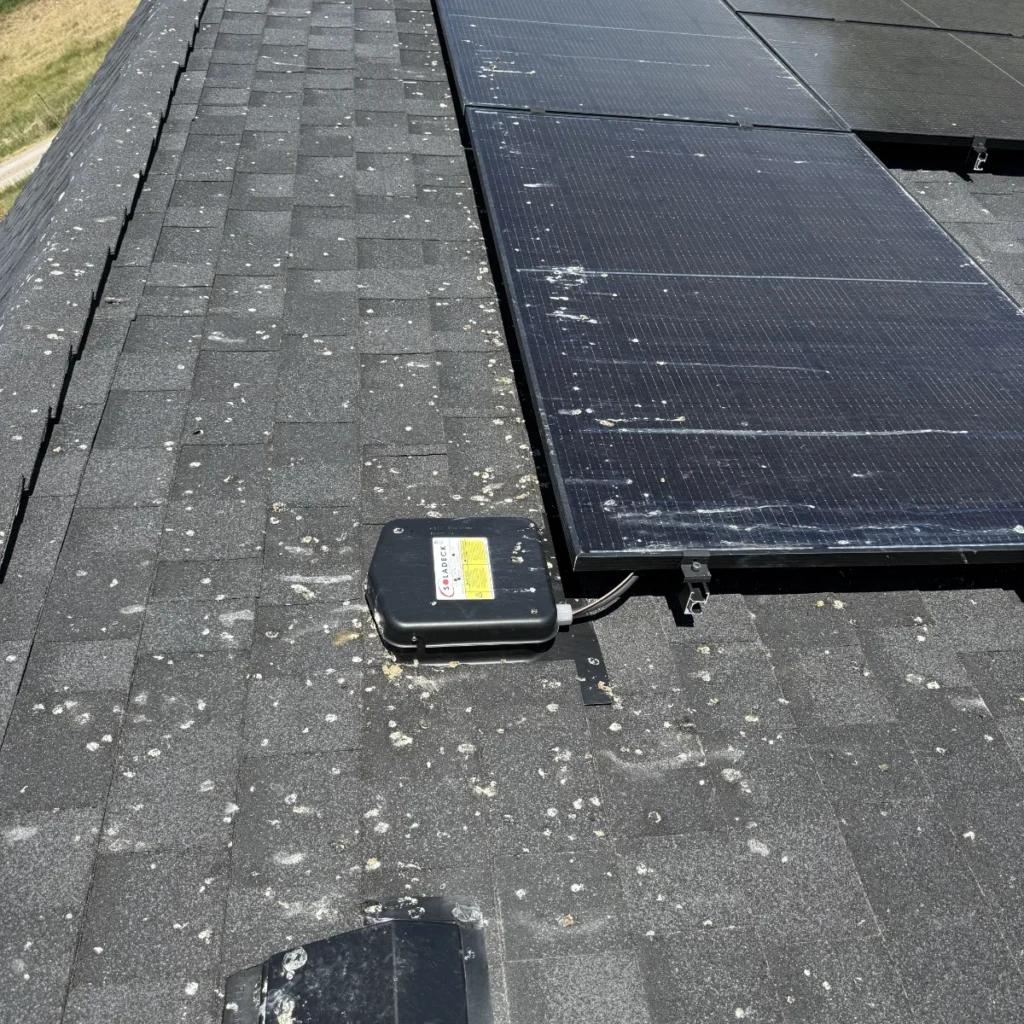
Dirty solar panels can zap your energy savings. Dust, bird droppings, and debris build up fast in Central Oregon’s dry climate. This blog highlights how often you should clean your solar panels and why it matters.
Keep reading to boost energy efficiency with simple tips!
Factors Influencing Solar Panel Cleaning Frequency
Different elements can affect how often your panels need cleaning. Some issues hit harder in Central Oregon than in other regions.
Impact of Dust and Debris in Central Oregon
Central Oregon’s dry climate creates conditions where dust collects quickly on solar panels. Wind often carries fine particles that cling to the glass surface, reducing efficiency by blocking sunlight.
Pollen from regional vegetation adds a sticky layer that worsens the problem during spring and summer.
Leaves and dirt blown by seasonal winds also settle on panels, forming patches of shade that disrupt energy generation. Stronger storms may even scatter tree branches or litter onto rooftop systems.
“Debris acts like sunglasses for your panels,” one homeowner remarked after seeing their energy bills rise unexpectedly.
The Role of Bird Droppings in Efficiency Loss
Bird droppings can drastically cut solar panel efficiency. Unlike dust or debris, they stick stubbornly to the surface. Their acidic nature also risks long-term damage to the glass.
These splatters block sunlight from reaching photovoltaic cells, reducing energy output immediately.
In areas with heavy bird activity, panels may experience from a 20% to a 40% drop in performance. For example, nesting birds around rooftops leave frequent messes behind. Cleaning these stains quickly helps avoid permanent marks and restores maximum power generation potential.
Seasonal Changes and Environmental Conditions
Snow, rain, and wind in Central Oregon can heavily affect solar energy efficiency. Snow buildup blocks sunlight completely, reducing power generation to zero until it melts or gets removed.
Rain may wash off some dirt but often leaves streaks or mineral residues behind.
Dust accumulation increases during dry summers when winds stir up fine particles, sticking them onto panels. Pollen from spring blooms creates sticky layers that trap more dust and debris over time.
Regular cleaning combats these seasonal challenges effectively while boosting system performance year-round.
Recommended Cleaning Schedule for Central Oregon
Central Oregon’s dry climate and frequent winds make solar panel maintenance a priority. Dust and debris can quickly coat the surface, cutting energy efficiency by up to 30%. Cleaning every 3 to 6 months helps ensure optimal performance when sun exposure is highest.
In fall, leaves from nearby trees should be removed monthly to prevent clogs or shading issues.
Winter calls for special attention due to harsher conditions like ice or heavy frost. Panels may not need frequent cleaning unless dirt buildup or bird droppings reduce output significantly.
A semi-annual deep clean combined with preventive care tackles seasonal challenges effectively.
Proper cleaning keeps panels producing like clockwork, says Sarah Hamilton of Solar Stan.
Next, knowing how to safely handle your equipment can save both time and money.
Best Practices for Cleaning Solar Panels
Solar panels need regular care to stay efficient. Dirty panels can lose energy output over time if ignored. Follow these best practices to clean them properly:
- Use soft sponges or microfiber cloths to avoid scratches on the surface. Abrasive materials may damage the panels and reduce their performance.
- Clean early in the morning or late in the evening when the panels are cool. Heat from the sun can cause water to evaporate quickly, which may leave streaks or spots behind.
- Stick to plain water and mild soap for cleaning solutions. Harsh chemicals might degrade protective coatings on the panel glass over time.
- Rinse with a gentle flow of water using a hose without high pressure. Excessive force could dislodge wiring or harm delicate parts underneath.
- Check for stubborn bird droppings, as they block sunlight more effectively than dust alone. Gently scrub those areas with extra care and patience.
- Avoid stepping directly on solar panels while accessing them for cleaning purposes. Doing so might crack them, leading to expensive repairs later on.
- Inspect nearby trees that can drop leaves or debris onto your system regularly. Trimming branches reduces frequent buildup of dirt and grime.
- Wear rubber-soled shoes with good grip if roofs are involved during cleaning tasks at any height above ground level for added safety.
- Make sure rainwater drains properly off your roof setup post-cleaning activity since stagnant water can attract algae growth that harms efficiency further.
- Monitor how your energy output improves after every session so adjustments around timing or techniques become easier with each effort made toward maintenance!
When to Hire a Professional for Solar Panel Cleaning
Stubborn grime, bird droppings, or heavy dust buildup can reduce energy output and become difficult to handle alone. Professionals use specialized tools and techniques that avoid damaging the panels while thoroughly removing debris.
Climbing onto rooftops or managing slippery surfaces poses safety risks for homeowners. Hiring experts prevents potential injuries and saves time by ensuring safe, efficient cleaning methods tailored to the job.
Tools and Techniques for Effective Cleaning
Keeping solar panels clean is key to maintaining their efficiency. Using the right tools and techniques can make this task simpler and safer.
- Use a soft-bristled brush to scrub dirt or debris without scratching the surface. Hard bristles can cause damage.
- Rinse panels with a low-pressure garden hose to avoid cracks from high pressure. High water force may harm the glass coating.
- Opt for deionized water or distilled water for streak-free cleaning. Tap water often leaves mineral deposits that reduce performance over time.
- Apply a non-abrasive sponge for stubborn bird droppings or oily smudges. Rough sponges risk damaging panel layers.
- Choose an extendable squeegee to dry panels after washing, especially in hard-to-reach areas like roof-mounted systems. This step prevents water spotting on glass surfaces.
- Avoid cleaning during peak sunlight hours as warm panels can crack if splashed with cold water suddenly.
- Use eco-friendly detergents sparingly when grime buildup resists plain water alone, but check manual guidelines before applying soaps.
Regular cleaning keeps solar panels performing their best. Dust, bird droppings, and debris can block sunlight and reduce efficiency. Homeowners in Central Oregon should clean panels often due to the local climate.
A clean surface means better energy output and savings over time. Don’t let grime rob you of free energy! Give us a call or schedule a free estimate by clicking here: http://30h.1e8.mytemp.website/contact/
FAQs
1. How often should you clean your solar panels in Central Oregon?
Clean your solar panels every 6 to 12 months. If birds, dust, or debris are common in your area, consider cleaning them more frequently (every 3-6 months) is recommended.
2. Does bird droppings affect the efficiency of solar panels?
Yes, bird droppings can block sunlight and reduce energy production. Regular cleaning helps maintain optimal performance.
3. Can dust and debris damage my solar panels over time?
Dust and debris won’t usually cause permanent damage but can lower energy output if left unchecked for long periods.
4. What’s the best way to clean solar panels safely?
Use soft brushes or a gentle stream of deionized water to remove dirt without scratching the surface. Avoid harsh chemicals that might harm the panel coating. Professional cleaning is recommended, in order to prevent damage to your solar panel investment.