

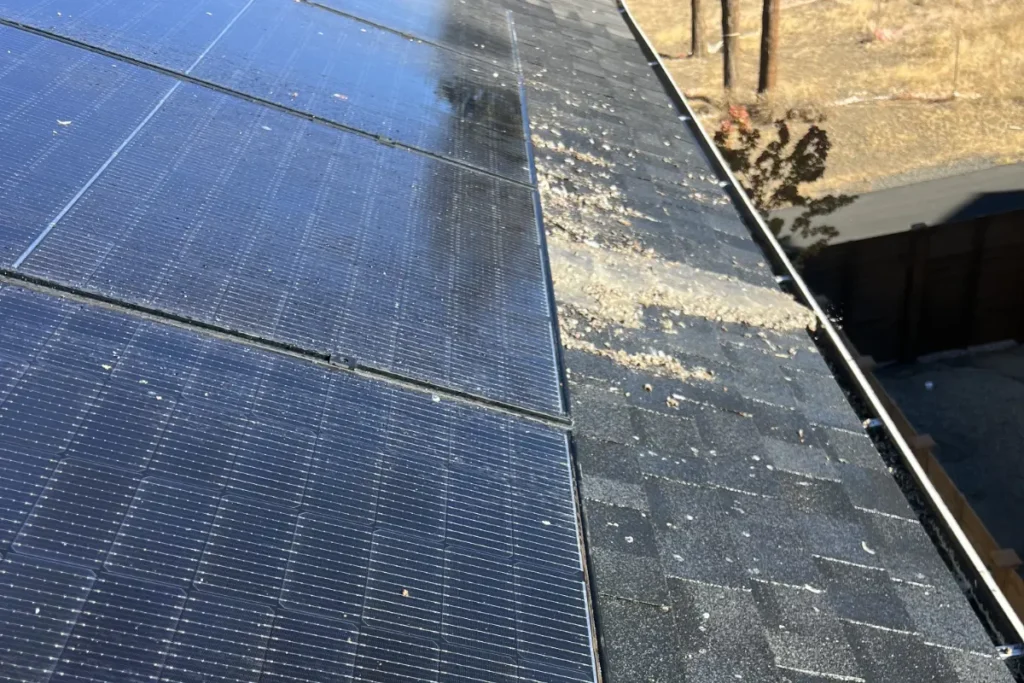
Pigeons love to nest under solar panels, leaving many homeowners scratching their heads and cleaning up messes. Experts say pigeons are drawn to solar panels because the panels provide warmth, shelter from predators like hawks and owls, and great places for nests.
This blog post explains Why Pigeons Love Solar Panels, covers bird behavior around rooftop solar systems, and shares proven ways to keep pigeons from nesting beneath a panel. See what makes your roof so attractive to these clever birds!
Key Reasons Pigeons Are Attracted to Solar Panels
Pigeons flock to solar panels for warmth and shelter. These structures offer a safe haven, keeping them hidden from predators while providing cozy nesting sites.
Warmth and Shelter
Solar panels offer cozy spots for nesting under your solar panels. The gap beneath a photovoltaic system traps heat from the sun, creating warmth that attracts birds like Columbidae during colder months.
That space gives shelter from wind and rain while keeping pigeons hidden from predators such as falcons or hawks. It is no wonder many homeowners in Bend spot pigeons roosting securely around their rooftop solar panels.
Bird droppings and nesting materials pile up fast once a family settles in.
Protection from Predators
Warmth and shelter offer comfort, yet pigeons nesting under solar panels also crave safety from predators. The gap beneath a panel becomes a shield, blocking birds of prey like hawks or owls.
From a pigeon’s point of view, this space is like having their own panic room – tucked away yet close to food and water sources on rooftops.
Predation poses real danger for flocks in urban areas. Crows, falcons, and even street cats see open roofs as hunting grounds. That foil-topped structure acts as armor for nesting pigeons; it hides them from sharp eyes circling above.
Homeowners might not spot trouble brewing beneath the array until bird droppings layer wiring or corrosion starts to bite through metal parts. Pigeon-proofing with mesh or spikes helps keep birds out while protecting your investment around the panels from future infestations.
Ideal Nesting Spaces
Solar panels create perfect bird nesting spots, especially for pigeons seeking a safe home. The space beneath a solar panel feels like a quiet attic, protected from wind and rain. Pigeons love the hidden gaps where they can build nests using sticks, leaves, or even pieces of plastic.
The structure of solar panels blocks out many natural predators such as hawks or neighborhood cats.
Edges of your solar panels stay just dry enough to attract birds looking for shelter from storms. Mothers lay eggs in this cover and young pigeons grow up safely above ground level.
As more pigeons nest under your solar setup, their droppings quickly pile up and may cause damage to electrical wiring; an unsightly mess is left behind too. Homeowners often find that only professional pest control or smart bird deterrent tools keep these spaces clear and protect your investment in clean energy.
Issues Caused by Pigeons on Solar Panels
Pigeons can create significant problems for solar panels. Their droppings may lead to corrosion that damages the panels and wiring, threatening efficiency.
Damage to Panels and Wiring
Pigeons can cause significant damage to solar panels and wiring. Their droppings contain corrosive substances that may eat away at the protective layers of the panels. This corrosion can reduce efficiency, making homeowners lose money on their energy bills.
Furthermore, when pigeons nest under solar installations, they often displace wires and other components. Broken connections could lead to costly repairs or even a complete system failure.
Ignoring pigeon problems makes matters worse. Birds tend to gather in groups, amplifying risks related to waste accumulation. Pigeon-proofing your solar panels becomes essential for protecting both the system’s integrity and your finances.
Implementing effective solutions like bird spikes or decoy predators will help deter these unwelcome guests from settling on rooftops.
Health Risks from Droppings
Bird droppings from pigeons pose significant health risks. These droppings can carry harmful pathogens, including bacteria and fungi. Inhaling dust from dried pigeon feces may lead to respiratory problems like histoplasmosis or cryptococcosis.
Homeowners should not overlook these dangers when birds nest near solar panel systems.
Droppings also corrode solar panels and wiring over time. This corrosion can reduce efficiency and lead to costly repairs. Keeping roofs clean helps mitigate these issues. Hiring a professional team for bird control not only safeguards energy production but also protects family health against the hazards associated with pigeon waste.
Behavioral Patterns of Pigeons Around Solar Panels
Pigeons often flock to solar panels for their warmth and shelter. They enjoy roosting on rooftops, feeling safe from predators while soaking up the sun’s rays.
Roosting and Nesting Habits
Solar panels provide warmth and shelter for pigeons. These birds latch onto the heat generated from the panels, creating a cozy spot for themselves. They often choose rooftops for their nests, finding ideal spaces beneath solar installations.
This environment offers them protection from predators like owls or hawks, who struggle to reach them.
Nesting near solar panels can lead to problems. Pigeons may leave droppings that damage equipment and reduce efficiency. Homeowners should consider pigeon-proofing solar panels to prevent these issues.
Placing bird control spikes on edges can deter nesting while still allowing sunlight in for power generation.
Seasonal Attraction
Pigeons feel a strong pull to solar panels in different seasons. During colder months, the panels produce warmth from sunlight and provide shelter against harsh weather. As winter sets in, these rooftops become cozy spots for pigeons seeking refuge.
In spring, pigeons search for nesting sites. They find the gaps under solar units perfect for raising their young. This seasonal attraction creates challenges for homeowners who want to avoid pigeon droppings on their roofs or damage to wiring.
Pigeon proofing your solar panels becomes essential during this time to keep them at bay and maintain efficiency.
Conclusion
Understanding why pigeons flock to solar panels helps homeowners. These birds seek warmth, safety, and cozy nesting spots. Unfortunately, they can cause real problems for installations.
Homeowners must take steps to keep their rooftops clean and safe from pigeon droppings. A proactive approach protects both the solar systems and the environment around them.
FAQs
1. Why do pigeons and other birds like solar panels on rooftops?
Pigeons find commercial solar panels perfect for nesting. The panels create a warm habitat, shielded from weather and predators. These spots offer a great vantage point to watch for food or threats.
2. How does pigeon poop affect solar power systems?
Bird poop builds up fast around your solar panels, blocking sunlight from reaching the photovoltaics. This waste reduces efficiency and can even cause fire making risks if left unchecked.
3. What attracts pigeons to my rooftop instead of other places?
Solar panel bird activity increases because these animals look for safe spaces away from most pests or people. Pigeons using the space under your solar get shelter, warmth, and easy access to food scraps in nearby waste containers.
4. Can I use humane methods for deterring pigeons from my panels?
Yes, you can try pigeon proofing solar panels with netting or spikes that don’t hurt the birds but stop them nesting underneath. A team of bird control experts may also install fake birds of prey to scare off unwanted visitors.
5. Is it important to pigeon-proof your solar installation early on?
Absolutely; waiting too long lets pests settle in deep under your setup and makes cleanup harder later on. Early pigeon-proofing keeps nesting down and helps keep your system running at its best output over time.